
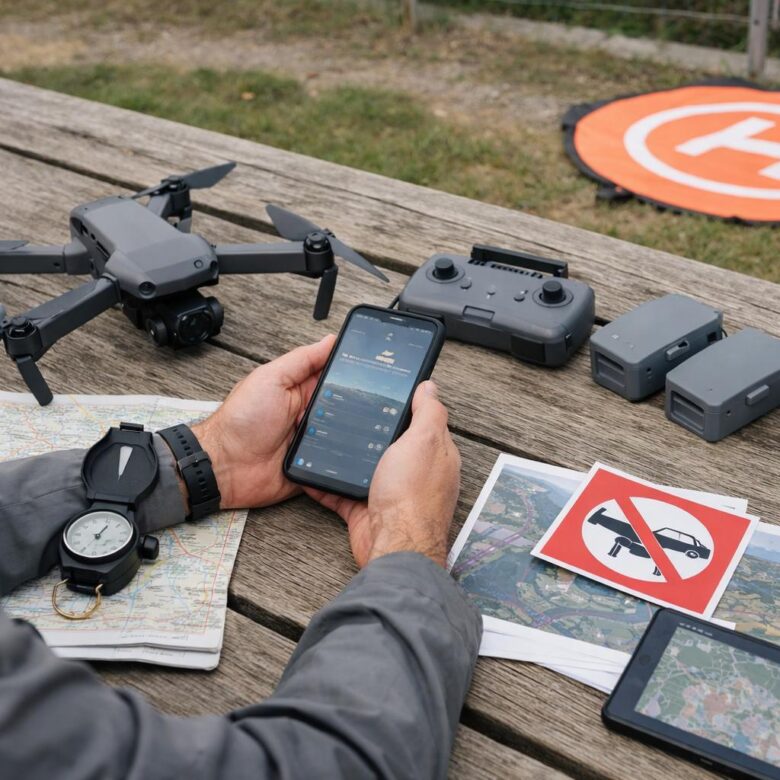
Before takeoff: inspect your drone, batteries, and propellers; check wind, rain, and visibility; confirm airspace rules, permits, and local no-fly zones.
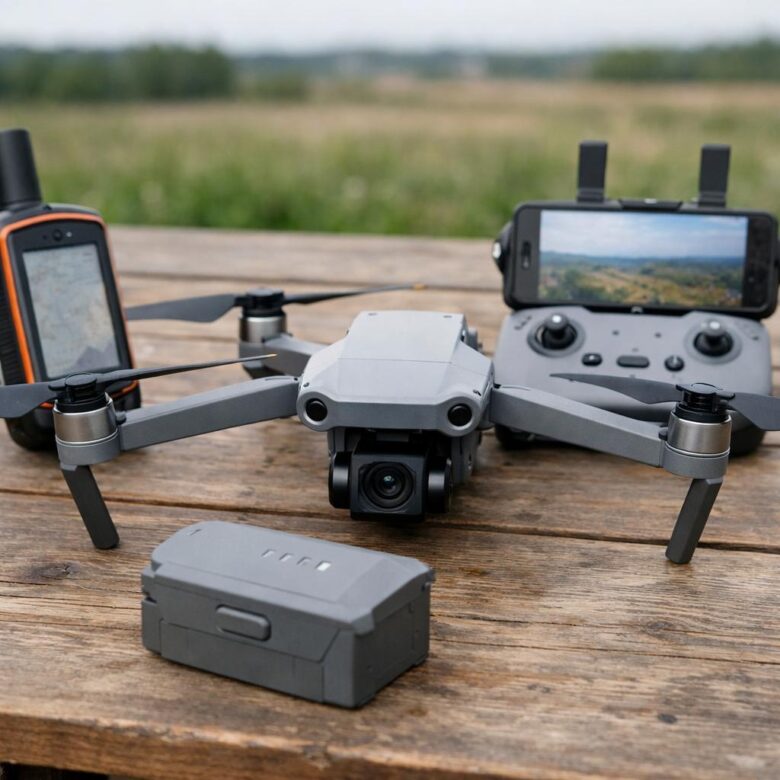
GPS stabilizes flight and return-to-home, while camera quality defines detail. Range affects control distance, and battery life determines how long you can capture each mission.
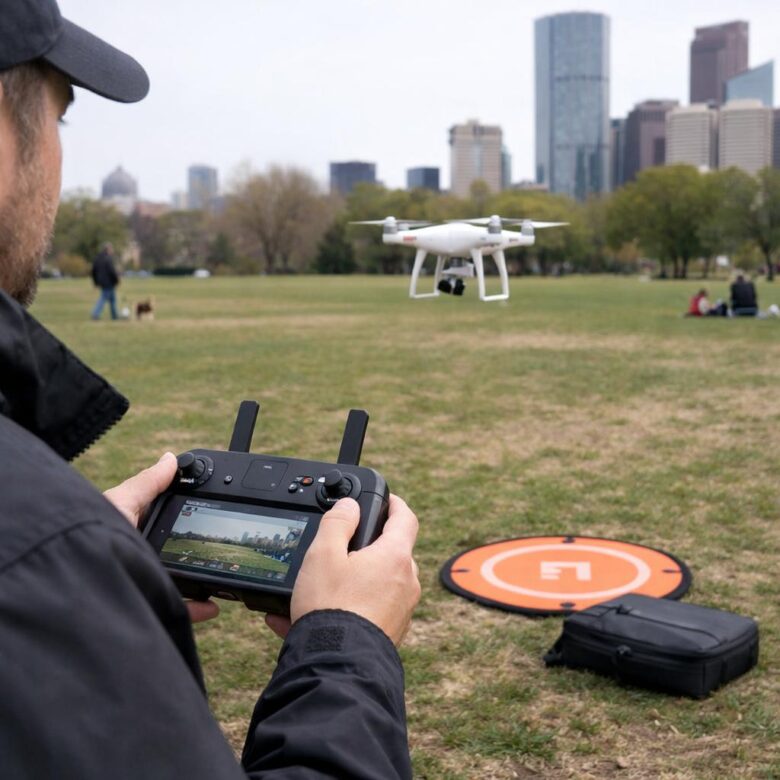
Fly safely: check park rules, keep visual line of sight, avoid crowds and buildings, respect privacy, monitor weather, and launch away from wildlife.
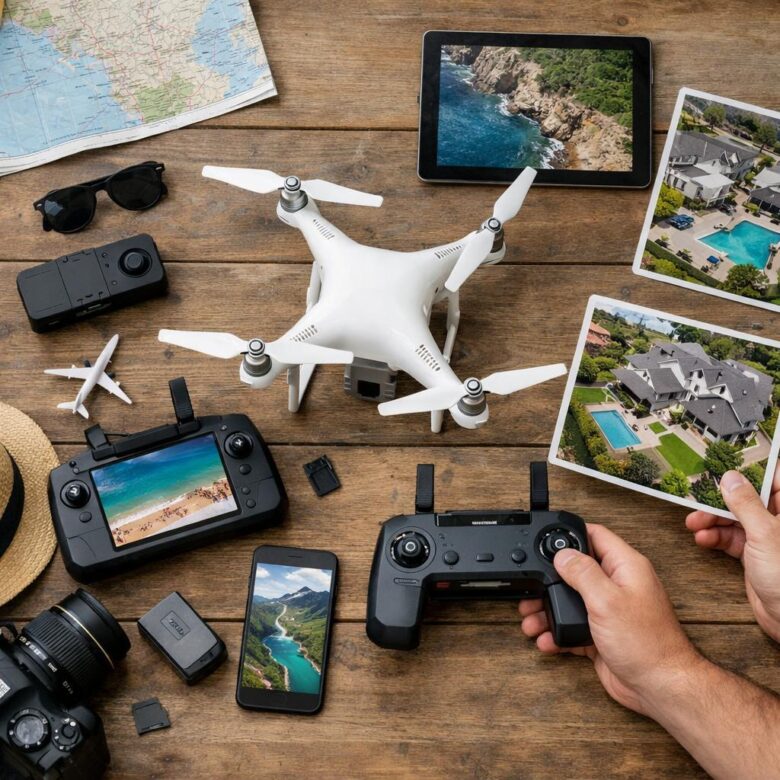
Drone photography elevates travel stories, showcases real estate scale, and creates scroll-stopping social media visuals with aerial angles, patterns, and golden-hour light.
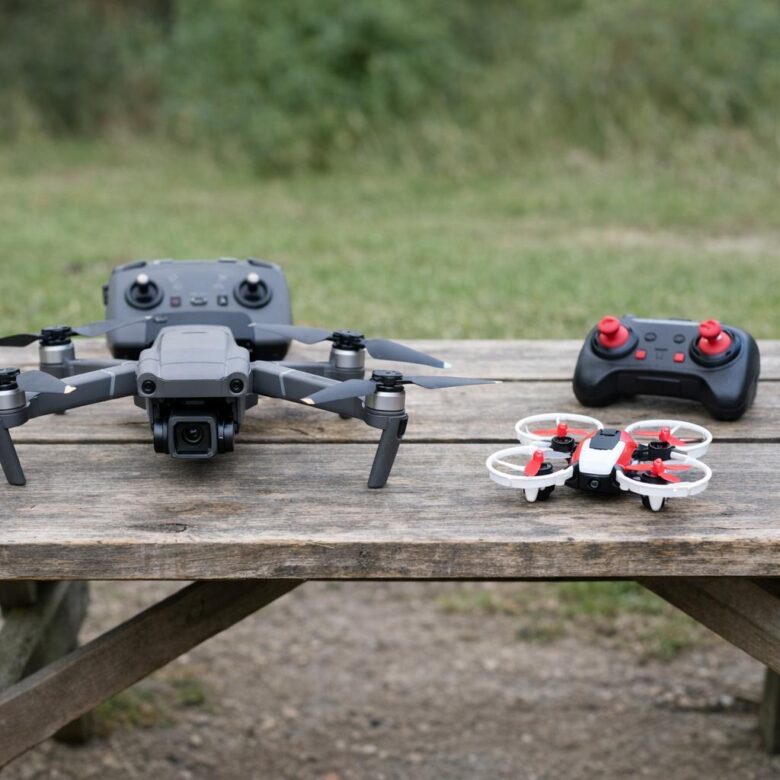
Camera drones deliver stable footage, GPS, and advanced controls; toy drones suit beginners, kids, and low-cost practice. Choose based on image quality, budget, and skill.
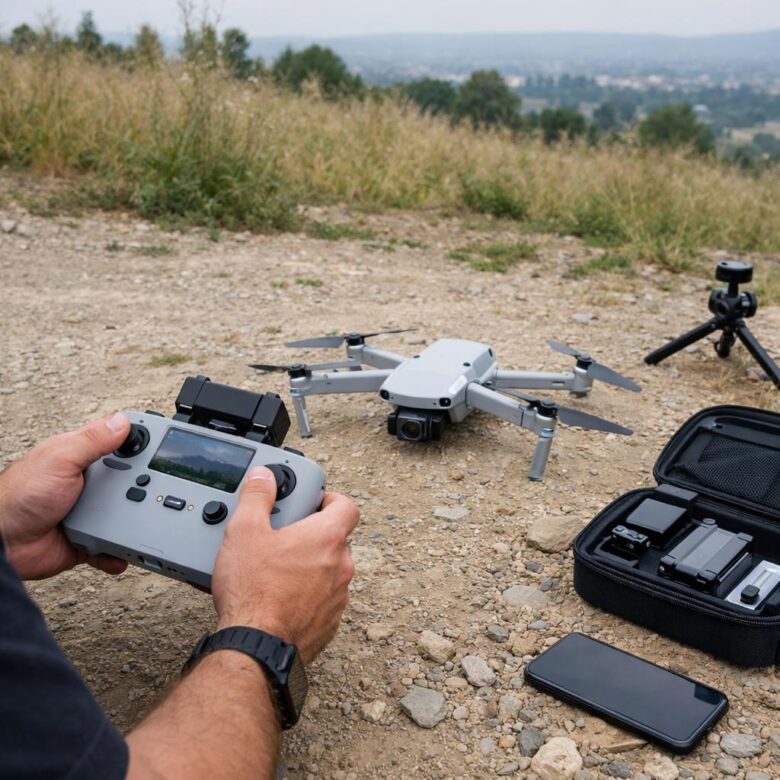
Smooth drone footage starts with slow stick inputs, balanced gimbal settings, and planned flight paths. Practice gentle turns and keep shots simple for polished results.
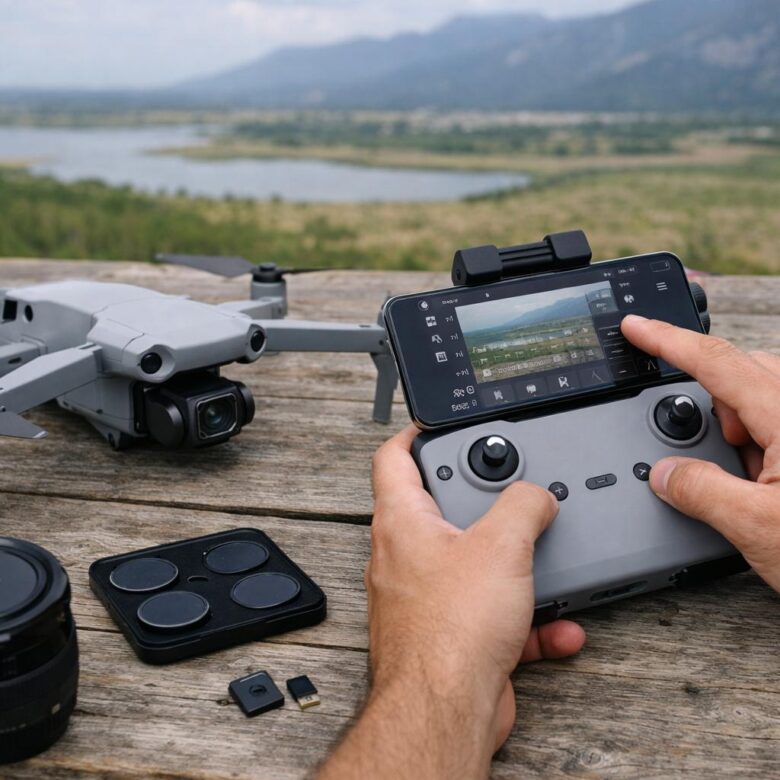
For crisp aerial photos, use ISO 100, fast shutter speed, manual focus, and RAW capture. Adjust white balance and exposure for stable, detail-rich drone images.
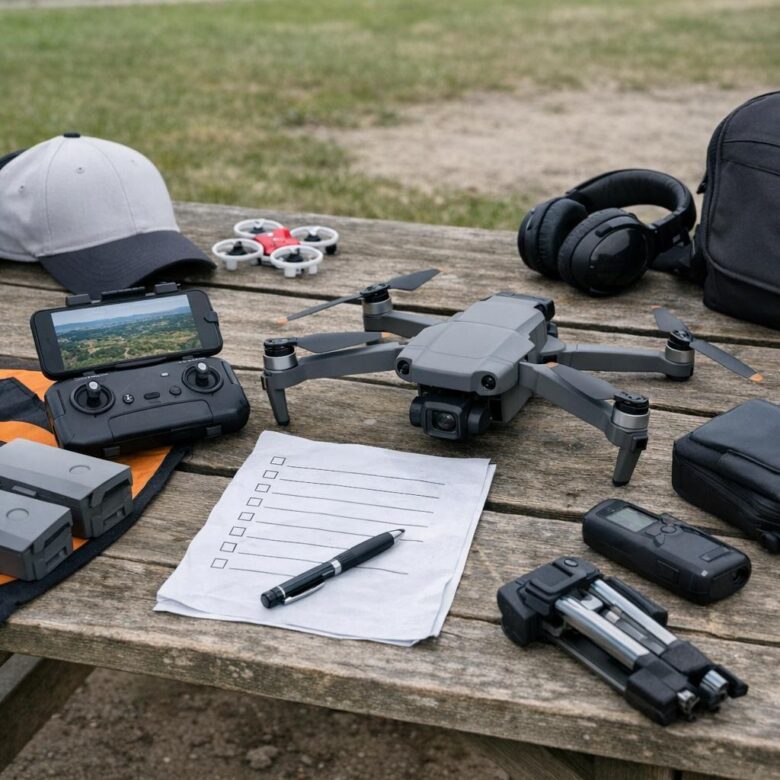
Before takeoff, learn local drone laws, register if required, keep visual line of sight, avoid restricted airspace, and check weather, battery, and surroundings.
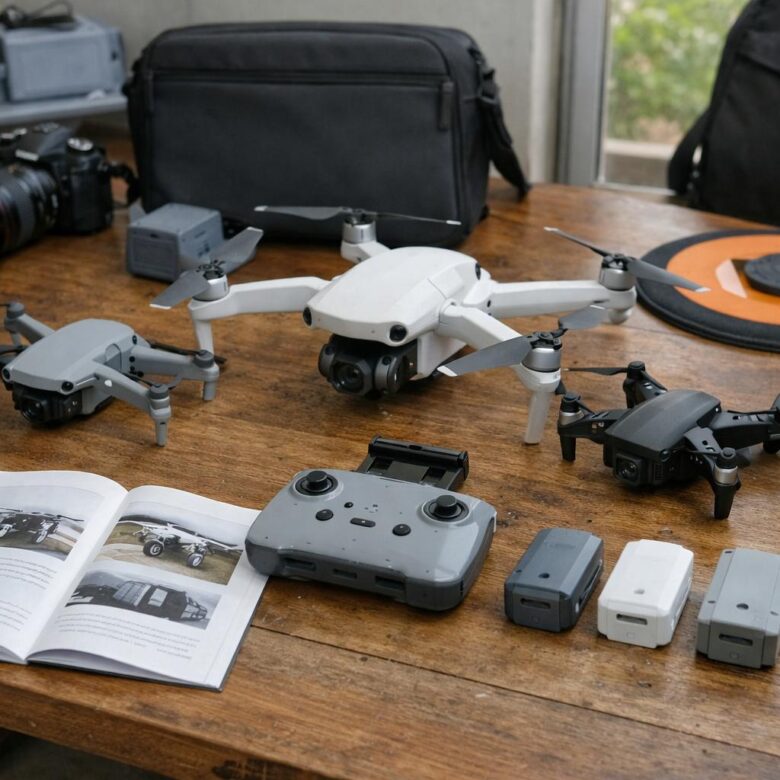
Buying your first drone? Compare flight time, camera quality, safety sensors, app controls, and local rules to choose a beginner-friendly model that fits your budget.
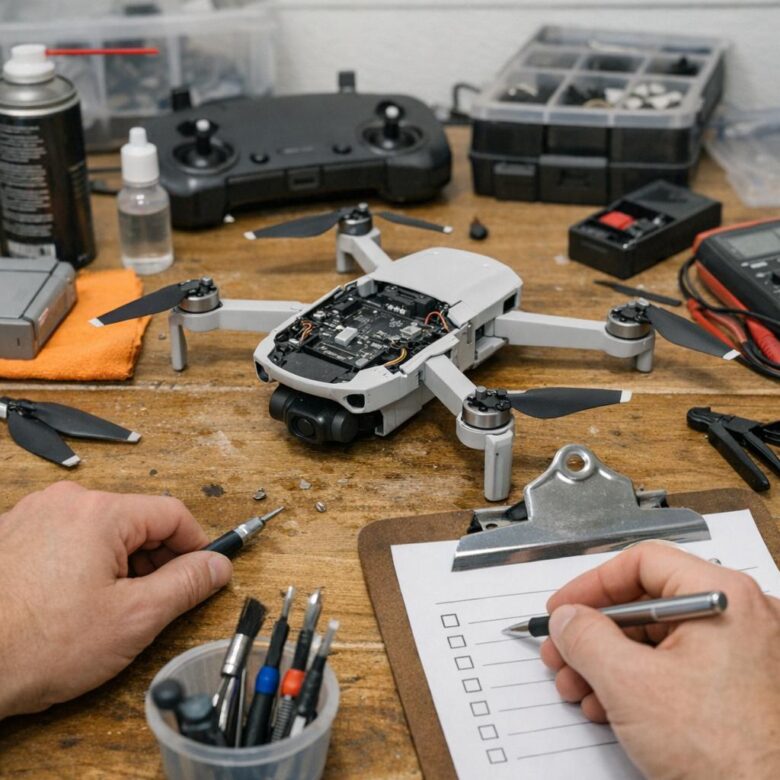
Drone maintenance starts with pre-flight checks: inspect propellers, clean sensors, verify batteries, update firmware, and log wear to extend flight life.